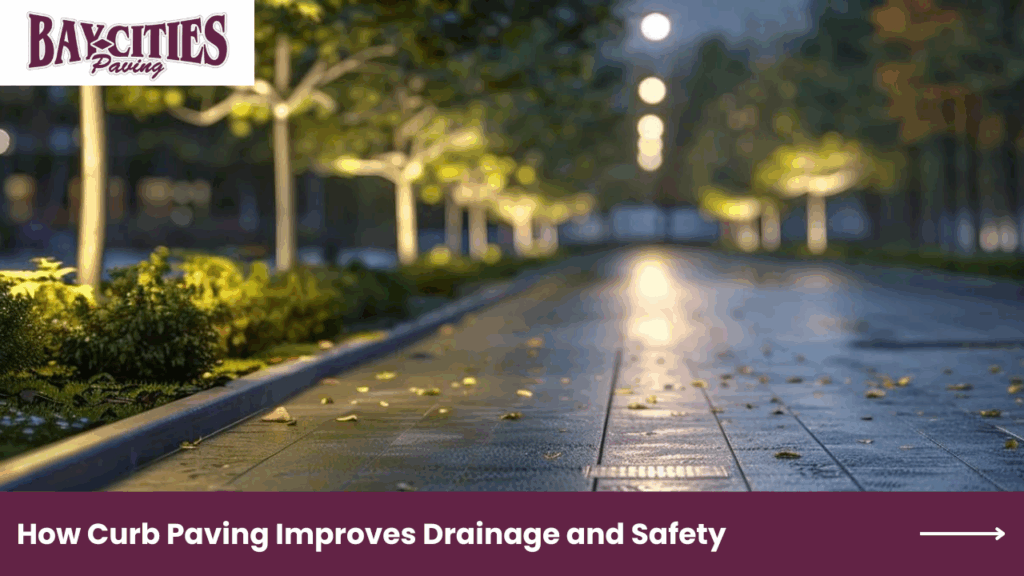
Curb paving is a critical yet often overlooked aspect of urban infrastructure that significantly enhances drainage, safety, and the overall quality of life in communities. By installing concrete curbing, asphalt paving, or pavers, property owners and city planners can address challenges like surface runoff, flood risks, and workplace safety. This blog explores how curb and gutter systems improve drainage solutions, reduce erosion, and promote environmental health and safety, while incorporating national standards like those from the Occupational Safety and Health Administration (OSHA) and the National Safety Council. Let’s dive into the benefits and practical applications of curb paving.
What Is Curb Paving?
Curb paving involves constructing concrete curbs, asphalt pavements, or brick edges along roads, sidewalks, driveways, or lawns to define boundaries and manage water flow. These structures guide stormwater to drains, ditches, or ponds, preventing flooding and protecting the road surface. Curb and gutter systems are designed to channel surface runoff efficiently, reducing debris accumulation and minimizing erosion of soil. Beyond functionality, concrete curbing enhances accessibility and adds aesthetic value to properties, making it a popular choice for landscape projects and construction initiatives.
The Role of Curb Paving in Drainage Solutions
Effective drainage design is essential for maintaining infrastructure and preventing water damage. Poor drainage can lead to floods, erosion, and compromised water quality, affecting both environmental health and property value. Here’s how curb paving addresses these issues:
1. Managing Surface Runoff
Surface runoff occurs when rain overwhelms the pavement or subgrade, causing water to pool on roads or sidewalks. Curb and gutter systems direct this water to designated drains, reducing the risk of flooding. For example, in areas near the Cape Fear River, where heavy rainfall is common, concrete curbs help channel stormwater away from properties, protecting lawns and driveways.
2. Preventing Erosion
Erosion can destabilize soil and damage pavements. By guiding water to ditches or ponds, curb paving minimizes soil loss and preserves the water table. This is especially important in construction projects where subgrade stability is critical for long-term infrastructure durability.
3. Enhancing Water Quality
Stormwater often carries debris, plastic bags, cardboard, and oil into drains, polluting local water bodies. Curb and gutter systems work with drainage solutions to filter waste, improving water quality and supporting environmental goals. Cities implementing recycling and waste management programs benefit from these systems, as they reduce garbage and yard waste entering ponds or rivers.
4. Reducing Flood Risks
Floods pose significant risks to vehicles, properties, and occupational safety. Concrete curbs and asphalt pavements create barriers that prevent water from pooling on roads, ensuring safer transport and reducing accident risks. For instance, ramps and curbs improve accessibility for vehicles and pedestrians, even during heavy rain.
Safety Benefits of Curb Paving
Curb paving doesn’t just manage water; it also enhances health and safety by reducing work accidents, improving accessibility, and complying with regulations. Here’s how:
1. Reducing Work Accidents
Construction sites are prone to accidents, with injuries costing businesses millions in insurance claims annually. Curb paving creates stable road surfaces, reducing vehicle skidding and pedestrian injuries. According to the Occupational Safety and Health Administration (OSHA), proper pavement maintenance can lower workplace safety risks. Workers equipped with personal protective equipment like hard hats, safety vests, work gloves, and ear muffs are further protected when curbs ensure stable footing.
2. Enhancing Accessibility
Sidewalks and ramps bordered by curbs improve accessibility for people with disabilities, aligning with national standards like ISO 45001. These structures guide pedestrians safely, reducing the risk of trips or falls. Safety signs and paint on curbs also enhance visibility, especially at night or during rain.
3. Supporting OSHA Compliance
The Occupational Safety and Health Administration sets strict safety rules for construction sites. Completing OSHA 10 or OSHA 30 training (available as OSHA 30 online courses or PDF resources) ensures workers understand ladder safety, arc flash prevention, and fire safety. Curb paving complements these efforts by creating safer work environments, reducing accidents, and boosting productivity.
4. Promoting Environmental Health and Safety
Environmental health and safety standards require managing waste and debris on construction sites. Curb paving prevents plastic, cardboard, or medicine containers from clogging drains, supporting waste collection and recycling efforts. Certified safety professionals advocate for curb and gutter systems to minimize environmental impact and enhance community pride.
Curb Paving and Waste Management
Effective waste management is critical for construction projects. Curb paving supports trash pickup, recycling, and disposal by keeping debris contained. For example:
- Dumpsters placed near curbs streamline trash and yard waste collection.
- Concrete curbs prevent garbage from scattering during pickup.
- Pavers create stable surfaces for trucks involved in bulk waste collection.
Cities with smartphone apps for trash pickup schedules (often tied to zip codes) benefit from curb paving, as it ensures containers remain accessible. This reduces waste accumulation and supports environmental goals like recycling paper, plastic, and cardboard.
The Role of Technology in Curb Paving
Modern curb paving projects leverage software and data to optimize drainage design and safety. Engineers use research and knowledge to create pavements that withstand heat, rain, and vehicle traffic. Smartphone apps provide free quotes or allow users to request a quote for installation. Internet-based platforms also offer OSHA 30 online courses, PDF guides, and podcasts on workplace safety, empowering professionals to stay informed.
Chief executive officers of construction firms prioritize software for project management, ensuring curb and gutter installations meet regulations. Data on water quality, erosion, and stormwater flow informs drainage solutions, while security measures like password-protected accounts safeguard project information.
Aesthetic and Practical Benefits
Curb paving isn’t just functional—it enhances property aesthetics. Concrete curbing, brick pavers, or asphalt add a polished look to driveways, lawns, and sidewalks. Painted curbs and safety signs improve visibility, while ramps ensure accessibility. These features boost property value and community pride, making curb paving a worthwhile investment.
For landscapes, curbs prevent soil erosion around roofs or lawns, protecting plants and reducing maintenance. Pavers create durable paths for vehicles or pedestrians, enhancing quality of life in cities.
Environmental and Community Impact
Curb paving supports environmental goals by managing stormwater, reducing waste, and improving water quality. Concrete curbs and asphalt pavements are durable, reducing the need for frequent maintenance and minimizing construction waste. Recycling programs for plastic, cardboard, and paper align with curb paving initiatives, as drains stay clear of debris.
Communities benefit from safer roads, reduced flood risks, and improved accessibility. National Safety Council guidelines and OSHA regulations ensure curb paving projects prioritize health and safety, fostering pride in infrastructure.
How to Get Started with Curb Paving
Ready to improve drainage and safety with curb paving? Here’s how:
- Research: Consult engineers or certified safety professionals for drainage design and pavement options.
- Request a Quote: Use smartphone apps or internet platforms to get free quotes for installation.
- Ensure Compliance: Follow OSHA safety rules and ISO 45001 standards.
- Choose Materials: Opt for concrete, asphalt, or brick based on project needs.
- Hire Professionals: Work with organizations experienced in curb and gutter installation.
Contact a professional today to continue your curb paving journey and enhance your property’s safety and drainage.
FAQs About Curb Paving
1. How does curb paving improve drainage?
Curb paving directs surface runoff to drains, preventing floods and erosion. Concrete curbs and gutters channel rain away from roads and properties, protecting the subgrade and water table. This reduces debris accumulation and improves water quality, supporting environmental health. By integrating drainage solutions, curb paving minimizes waste like plastic or cardboard clogging drains, ensuring efficient stormwater management. Cities with heavy rain, like those near the Cape Fear River, benefit significantly from these systems, enhancing infrastructure and community pride. (100 words)
2. What safety benefits does curb paving provide?
Curb paving enhances workplace safety by creating stable road surfaces, reducing accidents and injuries. Concrete curbs improve accessibility for pedestrians and vehicles, aligning with OSHA regulations. Safety signs and paint on curbs improve visibility, while ramps support national accessibility standards like ISO 45001. Workers wearing personal protective equipment (e.g., hard hats, safety vests) benefit from safer construction sites. Curb paving also reduces vehicle skidding during rain, lowering insurance claims and boosting productivity for organizations. (100 words)
3. How does curb paving support waste management?
Curb paving aids waste management by keeping debris like plastic bags, cardboard, and yard waste contained. Concrete curbs ensure dumpsters and containers remain accessible for trash pickup, streamlining recycling and disposal. Drains stay clear, reducing garbage accumulation in ponds or rivers. Smartphone apps for trash schedules, often tied to zip codes, work better with curb paving, as trucks navigate stable pavements. This supports environmental goals, minimizes waste, and enhances community pride through efficient infrastructure. (100 words)
4. What materials are used in curb paving?
Curb paving uses durable materials like concrete, asphalt, and brick pavers. Concrete curbing is popular for its strength and low maintenance, ideal for drainage and safety. Asphalt paving suits roads and driveways, offering flexibility in heat or rain. Brick pavers add aesthetic value to landscapes and sidewalks, enhancing property appeal. Each material supports drainage solutions, prevents erosion, and aligns with OSHA safety standards. Engineers choose materials based on project needs, ensuring environmental and national compliance. (100 words)
5. How can I get started with a curb paving project?
Start by consulting engineers or certified safety professionals for drainage design and pavement recommendations. Use smartphone apps or internet platforms to request a quote or get free quotes for installation. Ensure compliance with OSHA safety rules and ISO 45001 standards. Select materials like concrete, asphalt, or brick based on your property’s needs. Hire organizations experienced in curb and gutter installation to ensure quality. Contact a professional to continue your project, enhancing drainage, safety, and community pride. (100 words)
Conclusion
Curb paving is a powerful solution for improving drainage, safety, and environmental health. By managing surface runoff, reducing erosion, and supporting waste management, concrete curbs and asphalt pavements protect properties and enhance quality of life. Compliance with OSHA and National Safety Council standards ensures workplace safety, while technology like software and smartphone apps streamlines project management. Whether you’re a homeowner or a chief executive officer overseeing infrastructure, curb paving offers practical and aesthetic benefits. Request a quote today to transform your property with curb and gutter systems.