
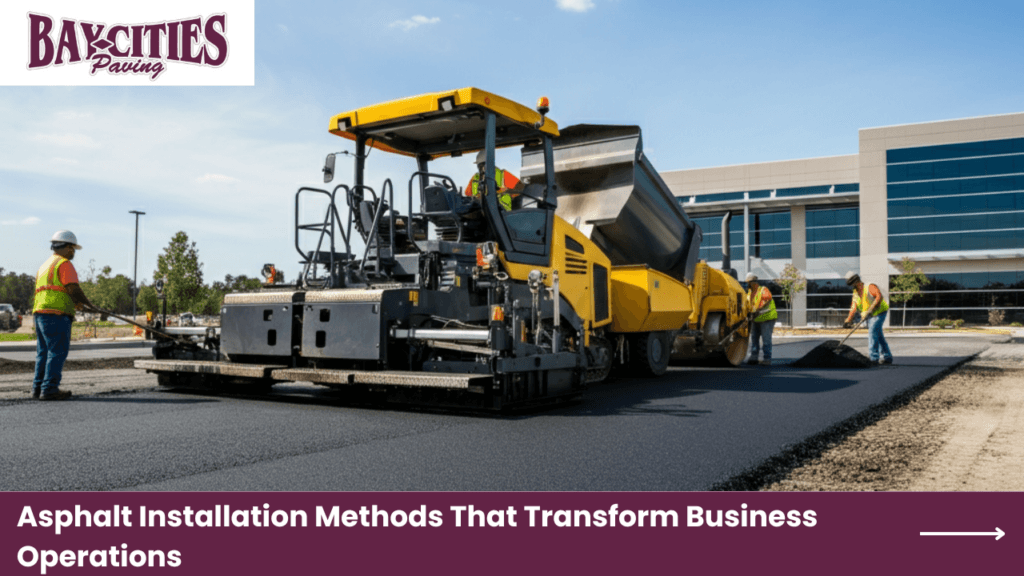
The quality and durability of asphalt installation play a crucial role in transforming business operations. Whether you’re upgrading a driveway, resurfacing a parking lot, or adding new infrastructure, asphalt installation can bring long-lasting benefits to businesses. From improving traffic flow to reducing maintenance costs, the right asphalt techniques can make all the difference. Here, we’ll explore the best asphalt installation methods and materials, focusing on how they enhance efficiency, boost longevity, and promote an environmentally friendly approach.
The Importance of Asphalt in Business Operations
A well-installed asphalt surface offers both tangible and intangible advantages for businesses. For instance, consider a retail complex with a well-maintained asphalt road surface. The smooth, aesthetically pleasing design not only improves traffic flow for customers but also prevents liabilities caused by pothole-related incidents.
Additionally, businesses with high vehicle loads—such as logistics hubs or trucking terminals—require durable materials to withstand the repetitive impact of heavy equipment and vehicles. Poorly installed or maintained asphalt leads to disruptions like cracks, water damage, and structural failures, which ultimately affect productivity.
Key Benefits of Asphalt Installation:
- Durability – Asphalt surfaces are built to handle heavy loads, whether it’s a fleet of commercial trucks or foot traffic in urban storefronts. Modern techniques ensure strength against everyday wear and extreme weather conditions, such as intense rain or scorching heat.
- Cost Efficiency – Compared to other pavement options like concrete, asphalt offers competitive pricing for both materials and installation. Its low maintenance requirements further reduce long-term costs.
- Sustainability – Today’s asphalt technology integrates recycling methods, conserving resources like bitumen and petroleum, while reducing production waste.
Core Materials Used in Asphalt Installation
The effectiveness of asphalt installation starts with its materials. A balanced mixture ensures durability, flexibility, and climate-specific applications. Businesses operating in diverse climates, such as northern Virginia, benefit greatly from incorporating customized material blends.
Essential Materials:
- Crushed stone, sand, and gravel form the strong foundation for asphalt mixes, ensuring structural integrity and resistance to surface stresses.
- Bitumen serves as the binder, providing the adhesive properties necessary for the mixture to hold together while maintaining its flexibility in both hot and cold climates.
- Additives such as polymer improve viscosity, allowing the asphalt to withstand heavy traffic and impacts from dump trucks, industrial equipment, and oversized commercial vehicles.
- Protective layers, such as sealcoat, safeguard against UV radiation, water, and oil spills, prolonging the life of the asphalt.
Real-World Example:
A facility in northern Virginia recently transitioned its deteriorated parking lot into a durable asphalt surface. Contractors utilized recycled asphalt combined with fresh bitumen and polymer additives, achieving a surface that is not only resilient but also classified as environmentally friendly. This approach saved the company 20% on materials and significantly reduced construction waste, proving that smart material use can deliver financial and environmental benefits.

Asphalt Installation Methods That Drive Results
Professional asphalt installation involves detailed planning, precision execution, and high-quality materials to ensure long-lasting surfaces for businesses. Below, we explore each step in the process, providing insights into how these techniques contribute to operational success.
1. Base Preparation and Grading
Every asphalt project begins with laying a strong foundation. Grading ensures that the soil, gravel, and initial layers are stable and free of weak points. This process is essential because the subgrade bears the load of the final pavement. Poor preparation can lead to cracks, water pooling, or uneven surfaces.
Equipment Used: Contractors use loaders, bobcats, and compactors to achieve optimal density in the foundation. The prepared surface is then leveled to account for proper drainage, directing water away from the final surface to prevent damage over time.
Practical Example: An airport cargo lot in Virginia faced drainage issues that led to recurring cracks and potholes. By re-grading the entire subgrade and utilizing compacted layers with crushed stone and sand, the newly installed asphalt now provides a smooth curation hub capable of handling both truck and foot traffic.
2. Applying the Binder Course
The binder course is a critical intermediate layer that provides both strength and flexibility for the surface. By combining asphalt concrete with reinforced bitumen, this layer absorbs and distributes the weight of traffic evenly, protecting the foundation from overloading.
Recommendation: For businesses handling frequent traffic flow, like warehouses or city parking lots, investing in a high-quality binder mix is essential to prevent premature wear.
3. Installing the Asphalt Mat
This phase is perhaps the most critical for ensuring an even and aesthetically pleasing surface. Contractors use precision pavers and screeds to lay the heated mixture evenly across the intended area. Achieving the correct inch thickness is crucial for supporting heavy equipment and frequent vehicle use.
For large-scale industrial projects, asphalt paving companies employ advanced equipment, such as GPS-guided paving systems, to enhance accuracy and reduce waste.
4. Compact Rolling and Adhesion
Compaction is where the foundation meets the top layer. This process involves steel or rubber rollers to compress the layers, improving adhesion and sealing small gaps where water or debris might settle.
5. Post-Installation Finish and Maintenance
Special finishing touches include the application of a sealcoat to shield against UV rays, chemical spills, and rain penetration. Regular maintenance, such as repairing minor cracks or reapplying protective layers, plays a pivotal role in extending the surface’s lifespan.
The Role of Advanced Technology in Modern Asphalt Installation
Cutting-Edge Tools:
Technology has revolutionized asphalt projects. From infrared temperature sensors ensuring the correct heat application to self-levelling pavers, today’s heavy machinery guarantees precision and minimizes errors. For recycling and demolition projects, specialized asphalt pavement contractors now deploy recycling plants to repurpose old asphalt installation debris into new surfaces.
Automation Case Study:
A paving project on a high-traffic freeway used automated paving machines to speed up the installation, producing an evenly compacted mat in record time. The company, which previously dealt with traffic flow disruptions and unsafe work zones, completed the project ahead of schedule with fewer interruptions.
Environmental Benefits of Asphalt Recycling
Recycling asphalt has become a game-changer for sustainable construction. It reduces reliance on new virgin materials, such as bitumen, while conserving energy. Additionally, by repurposing demolition debris, companies limit waste production and carbon emissions associated with transportation.
Practical Outcomes: By choosing recycled asphalt, businesses in regions like Virginia are contributing to a greener future, while simultaneously saving costs on raw materials.
Tips for Proper Maintenance to Maximize Longevity
An asphalt surface is only as good as the care it receives. Routine parking lot maintenance and seasonal inspections help identify minor issues before they grow into larger, costly repairs.
Maintenance Must-Dos:
- Repair potholes and cracks immediately to avoid moisture infiltration.
- Schedule periodic cleaning to remove debris, oil, and mud buildup.
- Reapply sealcoat every 2-3 years, especially in areas exposed to ultraviolet light and fluctuating temperatures.
Transforming Business Spaces with Asphalt
From extending the life of a commercial parking lot to strengthening an industrial foundation, asphalt has become an essential part of modern businesses. With its adaptability to diverse climates, cost efficiency, and environmental advancements, asphalt installation methods continue to redefine business operations.
Whether it’s a large corporate lot, a driveway, or even roofing with asphalt-based materials, choosing professional asphalt paving contractors is the key to long-lasting success. By leveraging advanced methods, high-quality materials, and proper maintenance, businesses can benefit from asphalt installations that support their operational goals for decades to come.
Conclusion
Investing in professional asphalt installation is a smart decision for businesses looking to enhance their efficiency, increase the longevity of their infrastructure, and minimize long-term costs. With the right combination of high-quality materials, cutting-edge installation techniques, and sustainable practices, asphalt can transform driveways, parking lots, roadways, and more into durable and functional assets. By partnering with experienced contractors and prioritizing proper maintenance, businesses can ensure their asphalt surfaces remain in excellent condition for years to come, supporting smooth operations and leaving a positive impression on customers and stakeholders alike.
FAQs
1. How much does asphalt installation cost?
The cost of asphalt installation depends on several factors, including the size of the area, the materials used, the thickness of the asphalt layers, and the complexity of the project. On average, asphalt paving costs range from $3 to $7 per square foot. For an accurate estimate, it’s best to consult with a professional asphalt paving contractor who can assess your specific needs.
2. How often does an asphalt surface need maintenance?
Routine maintenance, such as cleaning and minor repairs, should be performed annually. Sealcoating is recommended every 2-3 years to protect the surface from weather damage and wear. Addressing small issues like cracks or potholes immediately can prevent more expensive repairs in the future, helping to prolong the lifespan of the asphalt.
3. Is asphalt environmentally friendly?
Yes, asphalt is an environmentally friendly option, especially with the advancements in recycling technology. Recycled asphalt reduces the need for new materials, such as bitumen, while cutting down on construction waste. It also minimizes greenhouse gas emissions, making it a sustainable choice for businesses.
4. How do I choose the right asphalt paving contractor?
Look for a contractor with a proven track record, proper licensing, and positive client reviews. Professional asphalt pavement contractors should be transparent about their process, provide detailed cost estimates, and offer a warranty for their work. Additionally, ensure they use high-quality materials and the latest equipment for installation.
5. What are the signs that asphalt needs replacement or repair?
Common signs include potholes, cracks, uneven surfaces, pooling water, and fading due to UV rays. If the damage is extensive, such as significant deterioration of the foundation or widespread cracks, a complete replacement may be necessary. For minor issues, timely repairs can restore the asphalt’s functionality and appearance.